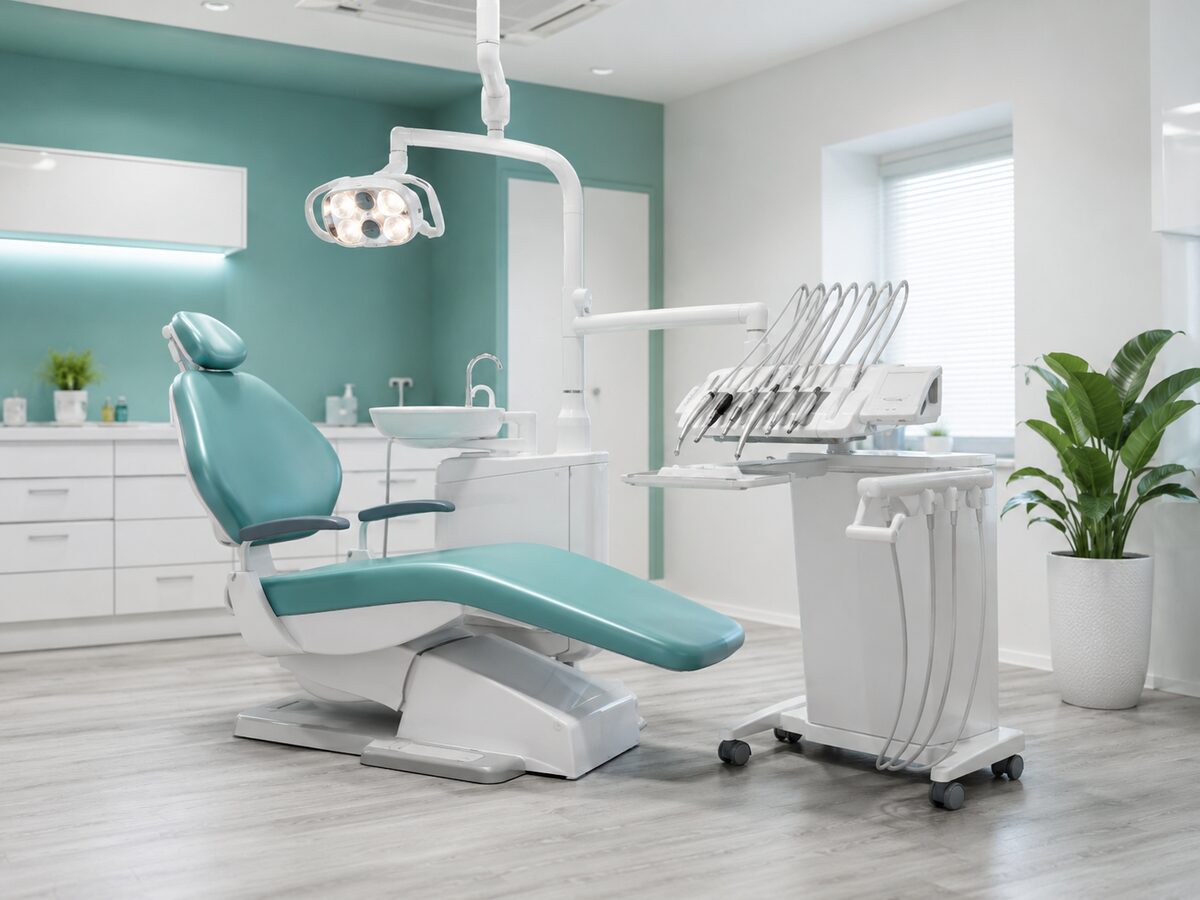
A single sitting root canal does the entire treatment, cleaning, shaping, and sealing the tooth, in one appointment instead of two or three. It's possible thanks to rotary instruments that work faster and more precisely. Most healthy teeth qualify, and you walk out the same day with the pain gone.
What a single sitting root canal actually is
A root canal removes the infected or dying nerve from inside a tooth, then cleans and seals the empty canals so the tooth can stay in your mouth. The old way split this across 2 or 3 visits with a week or more between each. A single sitting root canal, also called a single visit RCT, completes all of it in one appointment, usually 45 to 90 minutes depending on the tooth.
What makes this possible is rotary endodontics, small motorised files that clean and shape the canals quickly and accurately, plus an apex locator that measures the canal length without guesswork. We use both at the clinic. Fewer visits, less time off work, and you stop having to keep numbing the same tooth again and again.
How it works, step by step
Here's what actually happens in the chair, start to finish.
- Numbing. Local anaesthetic goes in first. Once the tooth and gum are fully numb, you won't feel the work itself. This is the part people fear most, and it's genuinely the easy part.
- Isolation. A small rubber sheet, called a dam, is placed to keep the tooth clean and dry and to stop anything slipping into your mouth.
- Opening the tooth. A small access hole is made in the top of the tooth to reach the canals inside.
- Cleaning and shaping. The rotary files remove the infected nerve tissue and shape the canals. The area is rinsed thoroughly to clear out bacteria.
- Sealing. The cleaned canals are filled with a rubber-like material and sealed so bacteria can't get back in.
- Closing up. A filling closes the access hole. In most cases the tooth then needs a crown to protect it from cracking, which is often fitted at a follow-up visit.
That whole sequence happens in one sitting. If you want a fuller picture of how the comfort side works, our piece on whether root canal treatment is painful walks through what you'll actually feel.
Who qualifies, and who doesn't
Most people are good candidates, but not everyone, and being honest about that matters.
You're usually a good fit if the tooth has a clear, contained infection, the canals are reasonably straightforward, and you're in general good health. Front teeth and many premolars are especially suited to single visit treatment because they have fewer canals.
Your dentist may prefer to split it into 2 visits if the tooth has a large, active abscess with a lot of pus and swelling, if the canals are badly curved or hard to reach, or if there's a flare-up that needs medication to settle first. None of that means anything's wrong. It just means that particular tooth heals better with a short pause in the middle. We decide after looking at a digital X-ray, and we'll tell you straight which approach suits your tooth.
What it costs in Lucknow
Root canal pricing depends on which tooth it is and how many canals it has. Here's the rough range, with the exact figure confirmed after your checkup.
| Tooth type | Typical RCT range |
|---|---|
| Front tooth (single canal) | ₹3,000 to ₹5,000 |
| Premolar | ₹4,000 to ₹6,000 |
| Molar (multiple canals) | ₹5,000 to ₹8,000 |
| Crown afterward (separate) | ₹3,000 to ₹15,000 |
The crown is a separate cost from the root canal itself, and most back teeth genuinely need one to avoid cracking later. For a full breakdown including different crown materials, see our guide on root canal cost in Lucknow. A single sitting RCT here costs the same as a multi-visit one, by the way. You're not paying extra for the convenience.
Recovery and aftercare
Recovery from a single visit treatment is usually mild. The numbness wears off over a few hours, so eat carefully until it does. The tooth may feel tender to bite on for a day or two, which a standard painkiller handles easily. Most people are back to normal the next day.
Until the crown is fitted, chew gently on that side and avoid anything very hard on the tooth, since a freshly treated tooth without its crown can be more fragile. Brush and floss as usual. If pain increases rather than settling, or swelling appears, call us, but that's uncommon.
Why we offer it here
For working patients across Lucknow, from Jankipuram to Hazratganj, one visit instead of three is a real relief. You take time off once, you numb the tooth once, and you go home with the infection dealt with. The root canal treatment we do uses rotary tools and digital X-rays as standard, which is what makes the single sitting approach reliable. If you've been searching for a root canal Lucknow patients can finish in one visit, this is it.
Bringing it together
A single sitting root canal does the full job, clean, shape, seal, in one appointment for most teeth, with no compromise on quality. It saves you visits, repeat numbing, and time. Whether your tooth qualifies depends on the infection and the canals, and a quick X-ray settles that. If a tooth's been aching or a dentist has mentioned RCT, get it checked and ask whether single visit is an option for you.
Frequently Asked Questions
Is a single sitting root canal safe?
Yes. Done with rotary instruments and proper cleaning, a single visit root canal is just as safe and effective as the multi-visit version for suitable teeth. The success rate is comparable. The key is that your dentist chooses single sitting only when the tooth is right for it, which is most of the time but not always.
Does a single visit root canal hurt more than the regular kind?
No. The tooth is fully numbed throughout, so the procedure itself feels much the same as a filling, just longer. Afterward there may be mild tenderness for a day or two regardless of whether it was done in one visit or several. Many people are surprised by how manageable it is.
Do I still need a crown after a single sitting RCT?
Usually, yes, especially for back teeth. A treated tooth becomes more brittle, and a crown caps and protects it so it doesn't crack under chewing. The crown is a separate step and a separate cost, often fitted at a short follow-up appointment a little later.
Why can't every tooth be done in one sitting?
Some teeth aren't ideal candidates. A large active abscess with swelling, badly curved canals, or a flare-up that needs medication first all heal better with a short pause between visits. Your dentist decides after an X-ray, and choosing two visits in those cases is about giving the tooth the best result, not a setback.