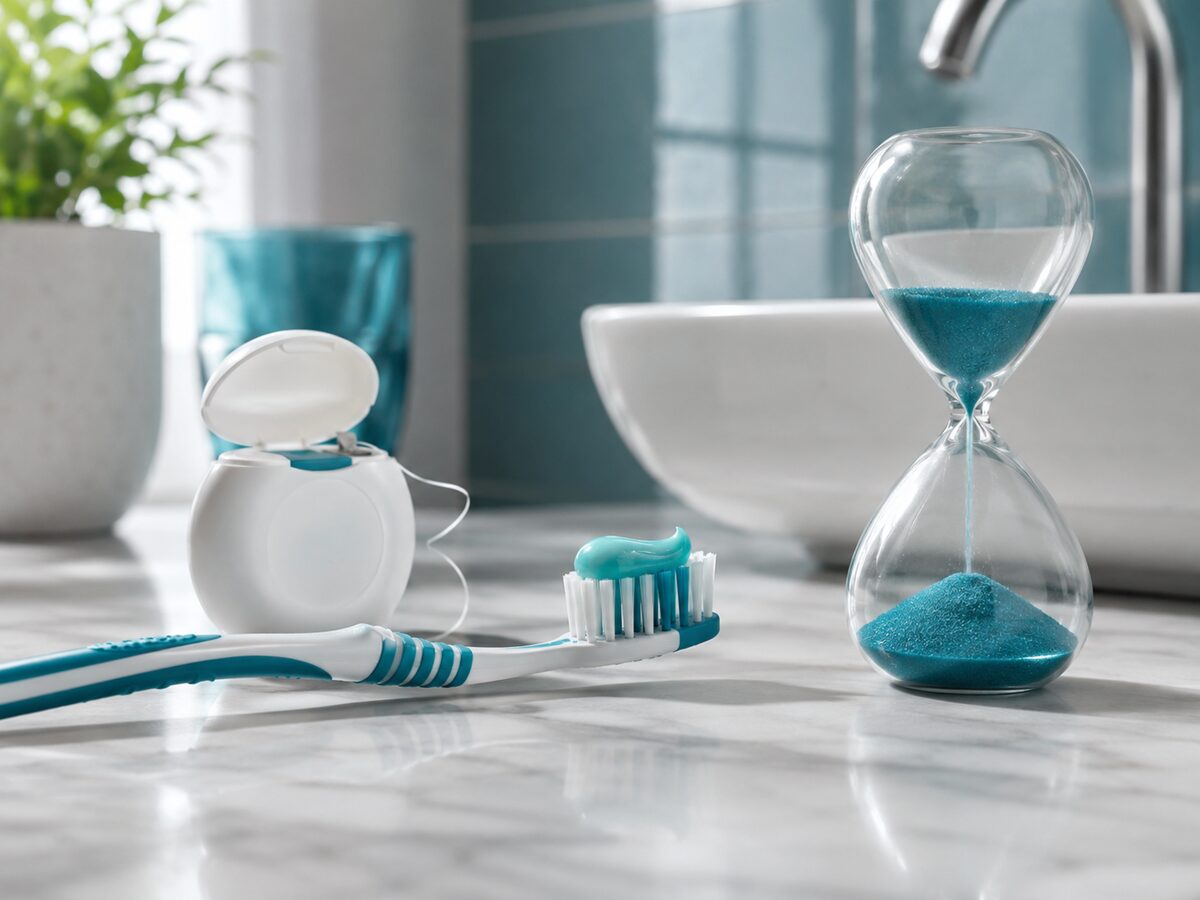
Most brushing mistakes aren't about laziness. You brush every day, you mean well, and you're still doing two or three things that quietly wear your teeth down. The good news is they're all easy to fix once you know what to look for.
The brushing mistakes that do the most damage
You'd think brushing your teeth is the one thing you can't get wrong. You've done it since you were four. But the most common brushing mistakes are the small habits nobody corrected, and they add up over years. Let's go through the eight we see most often, and how to fix each. By the end you'll have a clear picture of how to brush teeth properly, without overthinking it.
1. Brushing too hard
This is the big one. Scrubbing harder doesn't clean better, it just wears away enamel and pushes your gums back. Once gums recede, they don't grow back, and the exposed root underneath is what gives you that sharp pain with cold water. If your toothbrush bristles splay out flat within a month, you're pressing far too hard. Hold the brush like a pen, not a scrubbing brush.
2. Using a hard-bristled brush
Hard bristles feel like they're doing more. They're not. A soft-bristled brush cleans just as well and is far kinder to enamel and gums. There's almost no reason for an adult to use a hard brush. Switch.
3. Brushing right after meals
This one surprises people. After something acidic, like orange juice, lemon, or even chai with sugar, your enamel is temporarily softened. Brush right then and you're scrubbing softened enamel away. Wait 30 minutes, or just rinse with water and brush later. Knowing the proper tooth brushing technique includes knowing when not to brush.
4. Going too fast
Be honest. Are you actually brushing for two full minutes? Most people clock 40 to 45 seconds and think it's longer. Two minutes feels like ages when you're standing at the sink. Use a timer, or hum a song you know runs about that length. Split your mouth into four sections and give each one a fair turn.
The spots and steps people skip
5. Missing the gumline
Cavities and gum trouble love the spot where tooth meets gum. That's exactly where most people brush least. Angle the brush at about 45 degrees toward the gumline and use small, gentle circles. Don't saw back and forth across the fronts.
6. Forgetting the inner surfaces and the tongue
The backs of your teeth, especially the lower front ones, gather tartar fast and get ignored because you can't see them. And your tongue holds a surprising amount of bacteria, which is a big reason for morning breath. A few gentle strokes on the tongue, or a tongue cleaner, helps a lot.
7. Skipping floss entirely
A toothbrush cannot reach between your teeth. That's a third of each tooth's surface left untouched. This is where cavities sneak in and where gum disease often starts. You don't need fancy tools. Plain floss once a day, ideally at night, covers it. (Most people skip this step, by the way, and then wonder where the cavity came from.)
8. Keeping the same brush for too long
A worn brush with bent bristles cleans poorly. Change it every 3 months, or sooner if it looks frayed. Also change it after a bad cold or fever, since the old one can hold germs.
A note on electric versus manual brushes
People ask whether they need an electric brush to do this right. You don't. A manual brush used well beats an electric brush used badly, every time. That said, if you tend to brush too hard or rush, a good electric brush can help, because many have a built-in timer and a gentler action. The brush matters less than the technique. Soft bristles, light pressure, two minutes, every surface. Get those right and either kind works fine.
What these mistakes lead to
Brushing wrong over years shows up as sensitivity, receding gums, stubborn cavities, and bleeding. If cold water already makes you wince, that may be enamel wear or exposed roots from years of hard brushing. The piece on sensitive teeth and how to fix it goes into what's happening and your options. None of this is dramatic, and most of it is reversible if you catch it early.
If you're not sure whether your technique is causing harm, that's a fair thing to ask at a checkup. The clinic's general dentistry visits include a look at your gums and enamel, and the doctor can show you on your own teeth where you're missing spots. There's also a clear walkthrough on the dental education page if you like learning the why behind the how.
Before you book anything
Brush softly with a soft brush, for two full minutes, twice a day, angled at the gumline, and floss once daily. Wait after acidic food. Change your brush every 3 months. None of this is hard, and fixing even two of these habits will save you real money and discomfort later. Want someone to check your technique in person? Book a quick visit and we'll sort it out together.
Frequently Asked Questions
Is brushing harder better for cleaning teeth?
No, it's one of the most damaging habits. Hard brushing wears down enamel and pushes gums back, which exposes the sensitive root and can't be reversed. A soft brush with gentle, small circles cleans just as well and protects your teeth. Hold the brush like a pen, not a scrubber.
Should I brush right after eating?
Not after acidic food or drinks like citrus, juice, or sweet chai. They soften your enamel briefly, and brushing then scrubs it away. Wait about 30 minutes, or rinse with water and brush a bit later. The rest of the time, brushing after meals is fine.
How long should I actually brush for?
Two full minutes, twice a day. Most people brush for under a minute without realising it. Split your mouth into four parts and give each a fair turn, or use a timer. Two minutes feels long at the sink but it's what your teeth need.
How often should I change my toothbrush?
Every 3 months, or sooner if the bristles look frayed or bent. A worn brush cleans poorly. Also swap it out after a bad cold or fever, since the old brush can hold onto germs. A fresh brush makes a real difference.