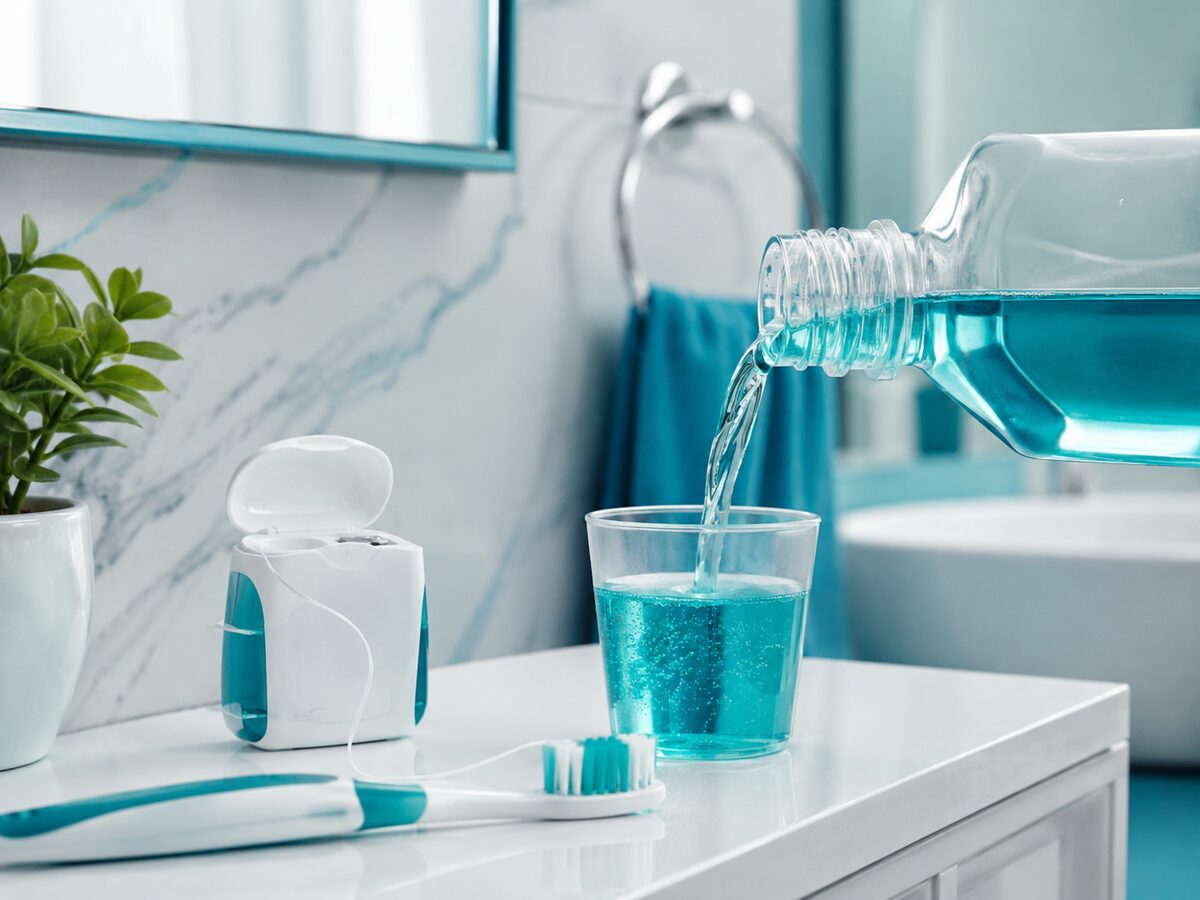
Do you need mouthwash? Honestly, most people don't. If you brush twice a day and floss, a rinse is a nice extra, not a must. But some people genuinely benefit from it, and the type matters more than the brand. Let's sort out who's who.
So do you need mouthwash or not?
Here's the honest answer a dentist will give you across the counter. For a healthy adult who brushes twice a day for 2 minutes and cleans between the teeth, mouthwash is optional. It's a finishing touch, not a foundation. It does not replace brushing, and it never will. A rinse can't scrub plaque off the way a brush does.
That said, mouthwash isn't useless. The real mouthwash benefits are narrow but genuine, and the trick is knowing if you're someone who actually gains from it, or someone spending ₹200 a month on minty water out of habit. Let's split it both ways.
Who genuinely benefits from mouthwash
Some people do get real value from the right rinse. You probably gain from a rinse if any of these fit:
- You have gum disease or bleeding gums, and your dentist has put you on a short course of an antibacterial rinse.
- You're recovering from an extraction or gum treatment and need to keep the area clean without brushing it directly.
- You're prone to cavities and use a fluoride mouthwash to give your enamel extra protection.
- You wear braces, where food traps in spots a brush struggles to reach.
- You have a dry mouth from medication, which raises your decay risk.
If you keep getting bleeding gums no matter how well you brush, a rinse alone won't fix it. That usually needs a proper look. Our piece on bad breath that won't go away covers a related point, because the gum problems behind chronic bad breath rarely respond to mouthwash on their own.
Who can happily skip it
If your gums are healthy, you have no decay, and your dentist gives you a clean bill at checkups, you don't need a daily rinse. Plain and simple. Using one won't harm you, but it isn't doing much either. Your toothbrush and floss are carrying the load.
There's a real cost to overusing mouthwash too, beyond the money. Your mouth has a balance of good and bad bacteria, and the harsh antibacterial rinses don't tell the difference. Used every day for months, a strong rinse can disturb that balance and even dry the mouth, which raises decay risk rather than lowering it. So more isn't better here. A daily cosmetic rinse is harmless enough, but the medicated ones are tools for a specific job, not lifelong habits.
And here's a small catch people miss. If you use a fluoride mouthwash right after brushing, you rinse away the concentrated fluoride from your toothpaste and replace it with a weaker dose. So if you do rinse, do it at a different time of day, like after lunch, not straight after your night brush. Speaking of technique, a lot of people lean on mouthwash to cover up problems that better brushing would solve. Our guide to common brushing mistakes is worth a read before you reach for the bottle.
If you do use it, which type?
There isn't one best mouthwash for everyone, because the right pick depends on your problem. Not all mouthwashes do the same job, and the label tells you more than the flavour.
Fluoride rinses help strengthen enamel and fight cavities. These are the most useful for everyday prevention, especially if you're cavity-prone. Antibacterial rinses, often with chlorhexidine, are strong and meant for short-term use under a dentist's instruction, usually after surgery or during gum treatment. Used long-term on your own, chlorhexidine can stain your teeth, so it's not a daily product. Cosmetic rinses are the supermarket ones that freshen breath. They feel nice and mask odour for an hour or so, but they don't treat anything underneath.
What about alcohol in mouthwash?
Alcohol-based rinses sting and can dry the mouth, which is the opposite of helpful if you already have a dry mouth. There are plenty of alcohol-free options that work just as well for freshening and fluoride delivery. If a rinse leaves your mouth feeling parched, switch to alcohol-free.
The breath question
A lot of people buy mouthwash for one reason. Bad breath. And here's where it disappoints. Mouthwash masks odour, it doesn't cure it. If your breath is bad, the cause is usually bacteria on the tongue, food trapped between teeth, gum disease, or sometimes something further down like the stomach or sinuses. A rinse buys you an hour. Cleaning your tongue, flossing daily, and treating any gum problem fixes the source.
The short answer
Mouthwash is a helper, not a hero. If you've got healthy gums and a solid brushing habit, you can skip it without guilt. If you've got gum trouble, braces, a dry mouth, or a high cavity risk, the right rinse earns its place, just pick the type that matches your need. When you're not sure which camp you're in, a quick checkup settles it. Our general dentistry team can tell you in 5 minutes whether a rinse is worth your money or not.
Frequently Asked Questions
Can mouthwash replace brushing or flossing?
No, and this is the most common mistake. Mouthwash can't physically remove plaque the way a brush and floss do. It's a finishing rinse at best. Skipping brushing and relying on mouthwash will leave you with decay and gum problems, no matter how fresh your breath feels.
Should I rinse with mouthwash right after brushing?
Not with a fluoride one. Rinsing straight after brushing washes away the concentrated fluoride from your toothpaste and leaves a weaker dose behind. Use your fluoride mouthwash at a separate time, like after lunch, to get the most out of both.
Is alcohol-free mouthwash better?
For most people, yes, especially if you have a dry mouth or your current rinse stings. Alcohol-free versions freshen and deliver fluoride just as well without drying out the mouth. There's no real advantage to the alcohol itself for daily use.
Will mouthwash cure my bad breath?
It masks it for an hour or two, but it won't cure the cause. Persistent bad breath usually comes from tongue bacteria, trapped food, or gum disease, and those need proper cleaning or treatment. If a rinse is the only thing keeping your breath fresh, it's worth getting the underlying cause checked.